
Call us now
08045816744
Effluent Treatment Plant Automotive and Engineering Sector
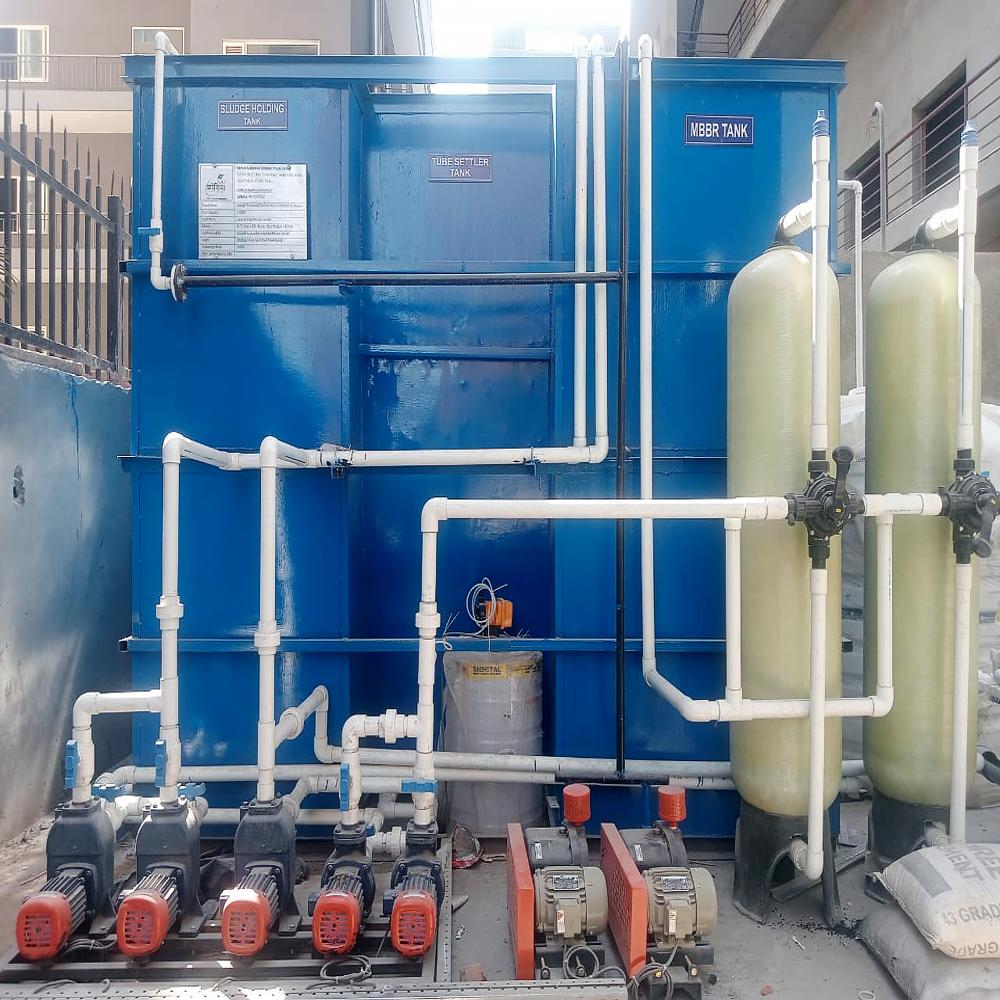

Effluent Treatment Plant Automotive and Engineering Sector Specification
- Power
- as per requirement Watt (w)
- Membrane Quantity
- PVDF (Polyvinyleden Flouride)
- Capacity
- 25 Kiloliter/day
- Ph Level
- 6-8.5
- Membrane Size
- 30m2 (03 Nos)
- Application
- Flushing and Cleaning
- Material
- MS Sheet (Tata,JSW..)
- Installation Type
- Modular
- Treatment Technique
- Physical, chemical and Biological
- Water Source
- Automobile wastewater
- Flow Rate
- 25KLD
- Product Type
- Effluent Treatment Plants
- Technology
- MBR
- Power Source
- Electricity
- Operation Type
- Semi Automatic
- Pressure
- as per Plant type PSI
- Dimension (L*W*H)
- 7.5* 1.5* 2.4 Meter (m)
- Weight
- ~4000 Kilograms (kg)
- Color
- Blue
- Warranty
- 1 year as per manufacturer
Effluent Treatment Plant Automotive and Engineering Sector Trade Information
- Minimum Order Quantity
- 1 Kilograms
- Delivery Time
- 1 Days
- Main Domestic Market
- Delhi, Uttar Pradesh, Haryana
Effluent Treatment Plant Automotive and Engineering Sector About
Our ETP systems are made for the automotive and engineering industries to treat wastewater from machining, cooling, and metalworking.
Our ETP systems clean wastewater by removing solids, oils, chemicals, and heavy metals, making it safe to reuse or discharge. They are customized for your process needs and ensure compliance with CPCB/SPCB norms.
We use advanced technologies like:
- Membrane Bio Reactor (MBR)
- Moving Bed Biofilm Reactor (MBBR)
- Activated Sludge Process (ASP)
- Sequential Batch Reactor (SBR)
- Fluidized Media Bio Reactor (FMBR)
- Fluidized Aerated Bio Reactor (FAB)
- Submerged Aerobic Fixed Film Reactor (SAFFR)
Product Description
We provide ETP solutions that treat wastewater from automotive and engineering operations, ensuring compliance with discharge standards.
Automotive and engineering wastewater has oils, grease, solids, metals, and chemicals. Our ETP system treats them using anaerobic, aerobic, and hybrid methods, reducing COD, BOD, and suspended solids effectively.
- Anaerobic Processes: Use UASB reactors, filters, and bio-digesters to treat organic waste and reduce harmful pollutants.
- Aerobic Processes: Use diffused aeration and activated sludge systems to remove organic waste, oil, and grease.
Hybrid Systems:
- Use both anaerobic and aerobic treatments to effectively clean wastewater from automotive and engineering industries.
- For smaller automotive units or shared facilities, a Common Effluent Treatment Plant (CETP) offers a cost-effective, space-saving solution to meet discharge norms and achieve Zero Liquid Discharge (ZLD) targets.
- Functionality The automotive and engineering effluent treatment process involves multiple stages to remove oils, chemicals, suspended solids, and other pollutants from the wastewater:
- Preliminary Treatment: Removes large solids, oils, and grease through screening, sedimentation, and equalization.
- Primary Treatment: Uses chemicals to remove oils, suspended solids, and heavy metals from the water.
- Secondary Treatment: Applies biological processes (aerobic or anaerobic) to reduce COD, BOD, and organic pollutants.
- Tertiary Treatment: Further purifies the water through filtration and disinfection, making it safe for reuse or release.
Features
- Multi-stage treatment process
- High COD & BOD removal
- Compact and modular design
- Low sludge generation
- Energy-efficient operation
- Reusable treated water
Advantages
- Ensures compliance with CPCB & SPCB norms
- Reduces water consumption and pollution load
- Enables water recycling and reuse
- Low operation and maintenance costs
- Supports sustainable and eco-friendly automotive and engineering manufacturing
Frequently Asked Questions (FAQs)
1. What is an Effluent Treatment Plant (ETP) for the automotive and engineering sector?
An ETP for the automotive and engineering sector treats wastewater generated during machining, metalworking, and other manufacturing processes by removing oils, heavy metals, chemicals, and other pollutants.
2. Why is an ETP important for automotive and engineering industries?
ETPs help these industries meet CPCB/SPCB discharge standards, reduce environmental pollution, and support water reuse for sustainable operations.
3. What pollutants are removed by an automotive and engineering ETP?
ETPs remove oils, grease, suspended solids, heavy metals, chemicals, and other contaminants from wastewater.
4. Can treated water from an automotive ETP be reused?
Yes, treated water can be safely reused for cleaning, cooling, or even gardening, helping meet Zero Liquid Discharge (ZLD) goals.
5. What type of maintenance is required?
Routine checks of pumps, aerators, filters, and sludge handling systems ensure the system operates efficiently over time.
Price 1800000.0 INR/ Piece
- Minimum Order Quantity
- 1 Kilograms
- Delivery Time
- 1 Days
- Main Domestic Market
- Delhi, Uttar Pradesh, Haryana
 Get Latest Price
Tell us about your requirement

Price:
Quantity
Select Unit
- 50
- 100
- 200
- 250
- 500
- 1000+
Additional detail
Mobile number
Email

More Products in Effluent Treatment Plant Category
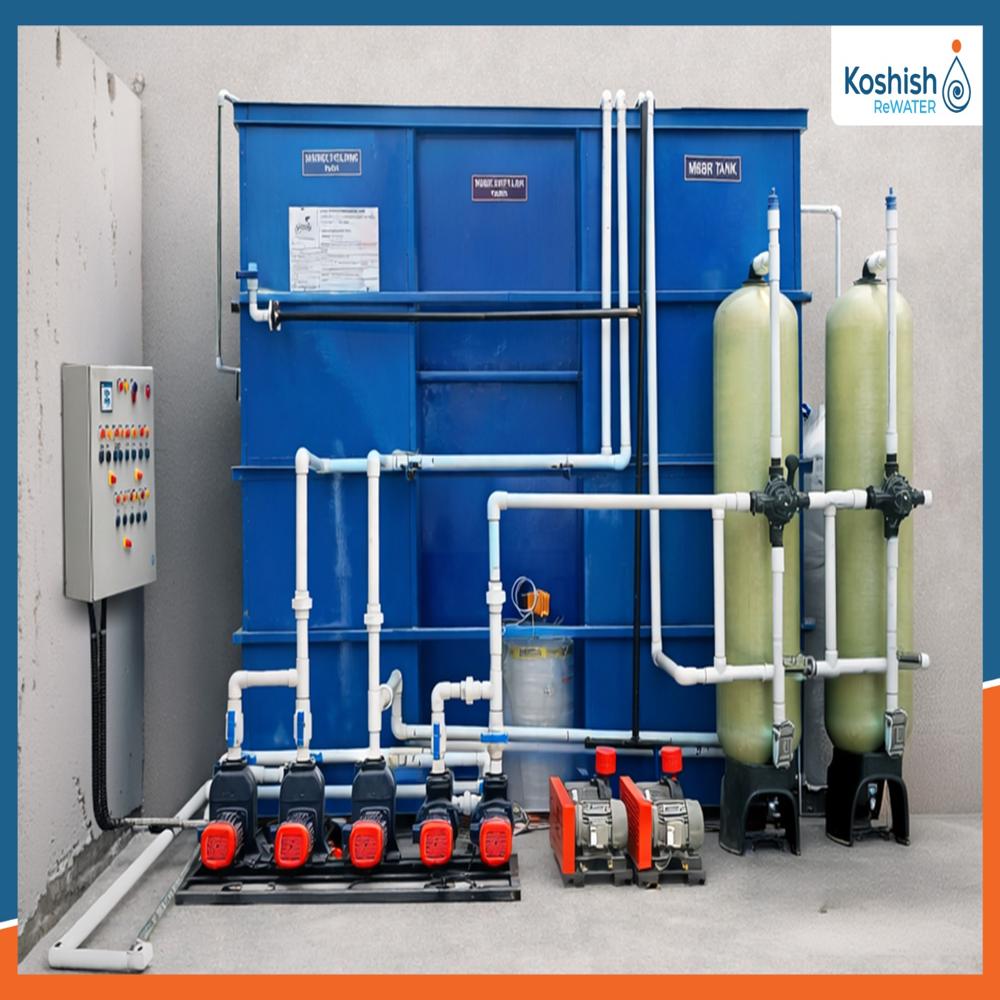
Effluent Treatment Plant for Paint Industry
Price 6200000.0 INR / Kilograms
Minimum Order Quantity : 1 Kilograms
Power Source : Electricity
Operation Type : Semi Automatic
Application : Flushing and Floor Cleaning
Warranty : 1 year as per manufacturer
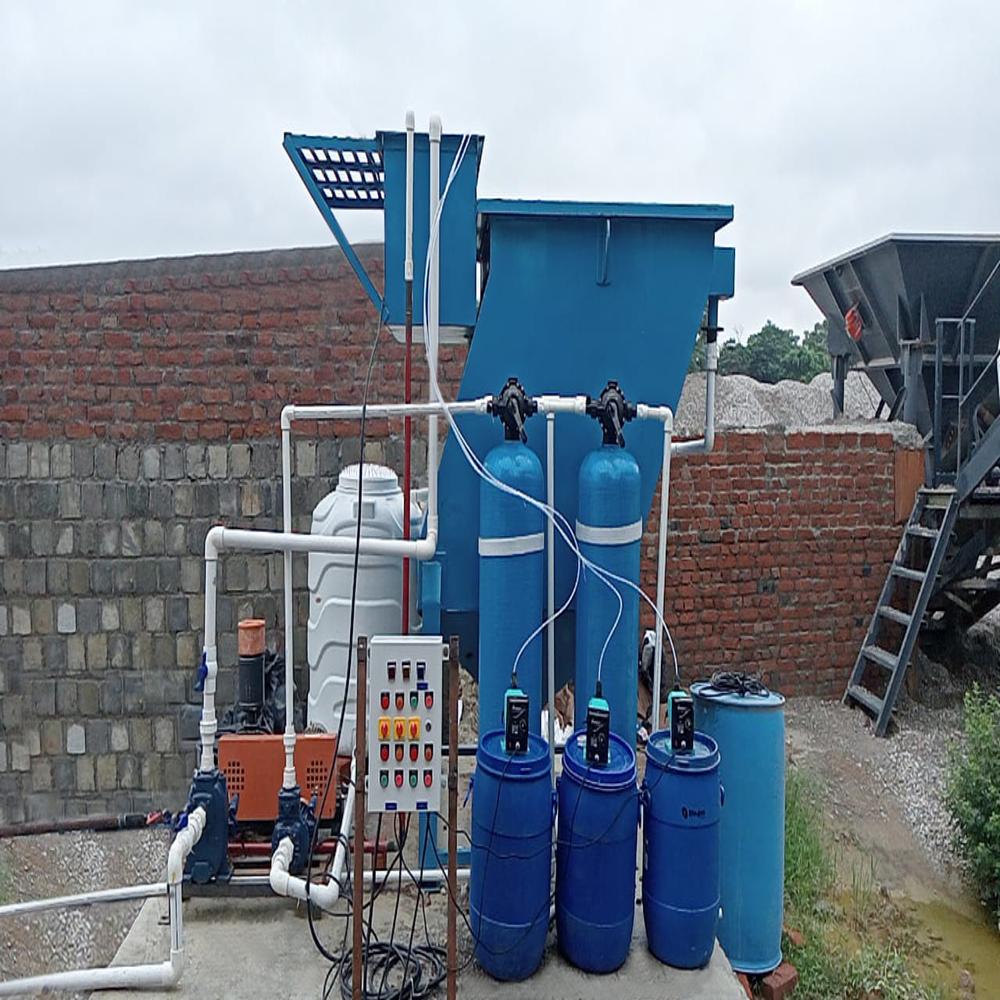
Effluent Treatment Plant for Paint Industry
Price 6200000.0 INR / Unit
Minimum Order Quantity : 1 Kilograms
Power Source : Electricity
Operation Type : Semi Automatic
Application : Flushing and Floor Cleaning
Warranty : 1 year as per manufacturer
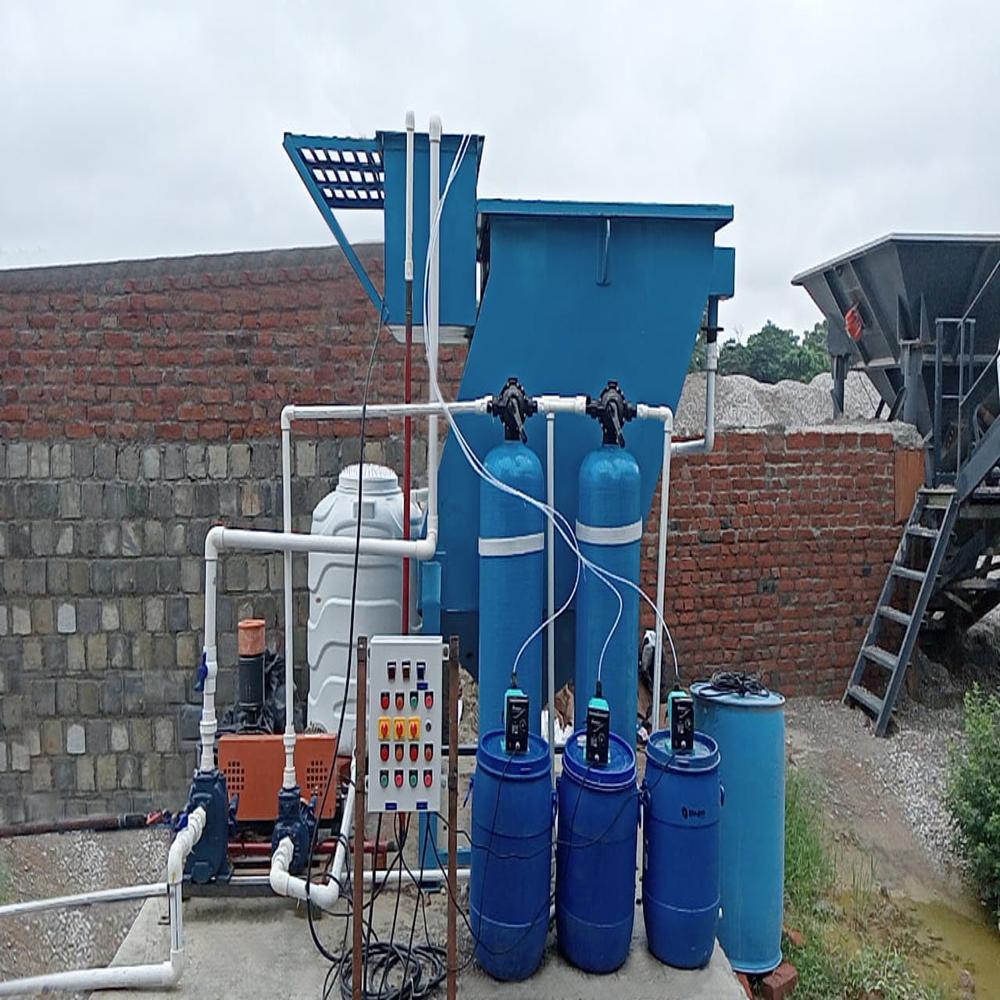
Effluent Treatment Plant Food & Beverages
Price 6500000.0 INR / Piece
Minimum Order Quantity : 1 Kilograms
Power Source : Electricity
Operation Type : Semi Automatic
Application : Flushing and Floor Cleaning
Warranty : 1 year as per manufacturer
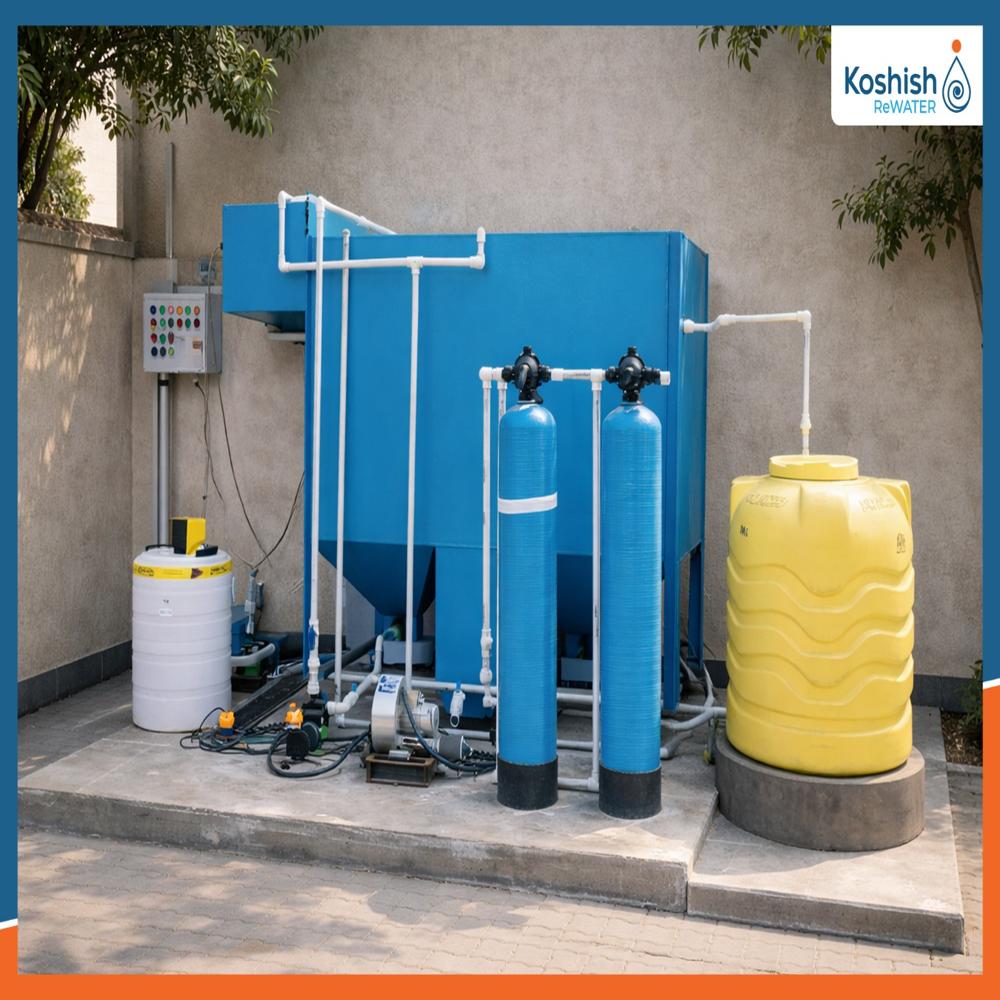
Effluent Treatment Plant for Slaughterhouse
Price 25500000.0 INR / Piece
Minimum Order Quantity : 1 Kilograms
Power Source : Electricity
Operation Type : Semi Automatic
Application : Flushing and Floor Cleaning
Warranty : 1 year as per manufacturer

KOSHISH SUSTAINABLE SOLUTIONS PRIVATE LIMITED
GST : 09AAGCK0540C1ZZ
GST : 09AAGCK0540C1ZZ
6th Floor, Plot No 15, Tradex Tower, Sector 125, Noida, G B Nagar,Noida - 201301, Uttar Pradesh, India
Phone :08045816744

 Send Inquiry
 Send Inquiry
 Send SMS
 Call Me Free
KOSHISH MARKETING SOLUTIONS PRIVATE LIMITED
All Rights Reserved.(Terms of Use)
Developed and Managed by Infocom Network Private Limited.
Developed and Managed by Infocom Network Private Limited.

