
Call us now
08045816744
Effluent Treatment Plant Pharmaceutical
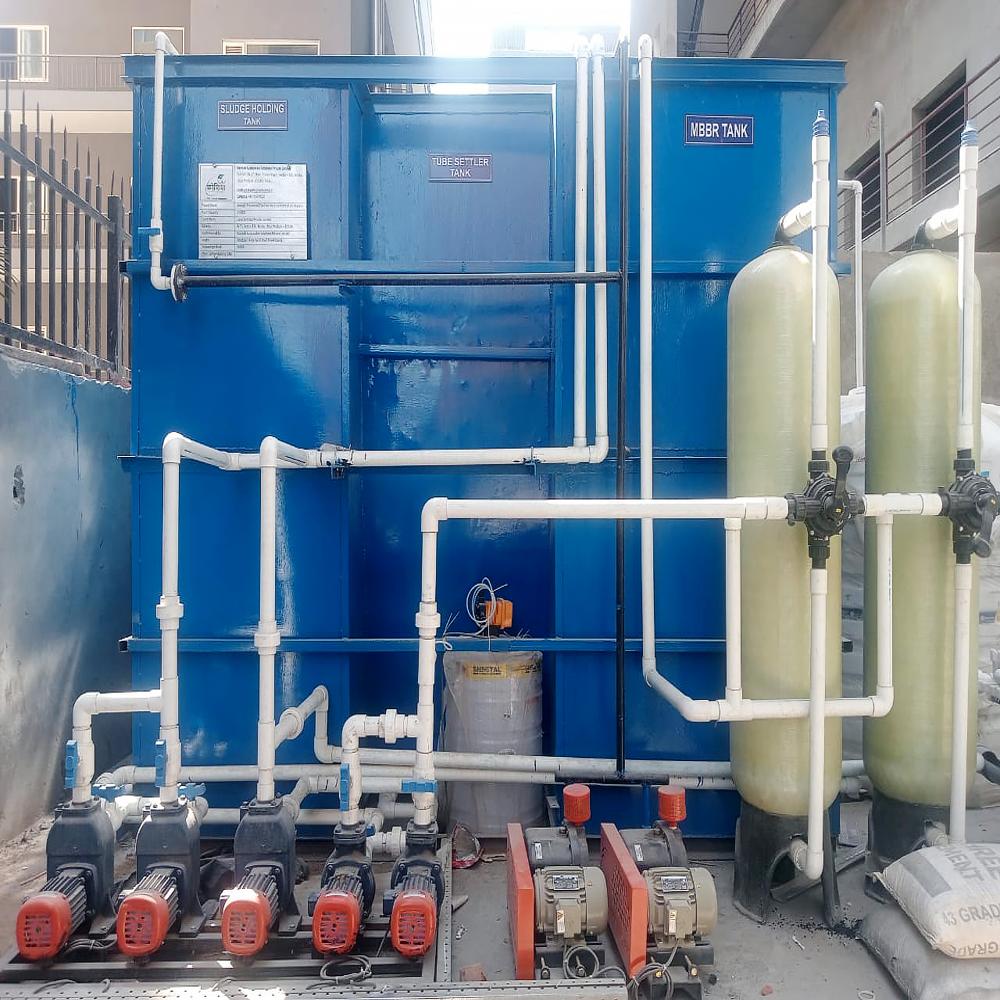

Effluent Treatment Plant Pharmaceutical Specification
- Application
- Flushing and Cleaning
- Water Source
- Automobile wastewater
- Power
- as per requirement Watt (w)
- Treatment Technique
- Physical, chemical and Biological
- Material
- MS Sheet (Tata,JSW..)
- Installation Type
- Modular
- Flow Rate
- 50KLD
- Ph Level
- 6-8.5
- Capacity
- 50 Kiloliter/day
- Membrane Quantity
- PVDF (Polyvinyleden Flouride)
- Membrane Size
- 30m2 (05 Nos)
- Product Type
- Effluent Treatment Plants
- Technology
- MBR, MBBR+UF
- Power Source
- Electricity
- Operation Type
- Semi Automatic
- Pressure
- as per Plant type PSI
- Dimension (L*W*H)
- 1400* 150 * 240 Centimeter (cm)
- Weight
- ~6000 Kilograms (kg)
- Color
- Blue
- Warranty
- 1year as per manufacturer
Effluent Treatment Plant Pharmaceutical Trade Information
- Minimum Order Quantity
- 1 Kilograms
- Delivery Time
- 1 Days
- Main Domestic Market
- Delhi, Haryana, Uttar Pradesh
Effluent Treatment Plant Pharmaceutical About
Our ETP systems are designed for pharmaceutical units to clean wastewater from drug production by removing solvents, oils, and harmful chemicals.
We design every ETP plant based on the wastewater load and treatment needs of your pharma facility, ensuring efficiency and compliance with CPCB standards.
We use modern technologies like:
- Membrane bio reactor - MBR
- Moving bed biofilm reactor - MBBR
- Activated sludge process - ASP
- Sequential Batch Reactor - SBR
- Fluidized Media Bio Reactor - FMBR
- Fluidized aerated bio reactor - FAB
- Submerged Aerobic Fixed Film Reactor - SAFFR
Product Description
We offer ETPs for the pharmaceutical industry to treat wastewater from drug production and formulation, ensuring safe reuse or discharge in line with pollution control norms.
The design of the pharmaceutical ETP depends on the quantity and quality of the pharma wastewater, which often contains high levels of organic matter, solvents, and chemicals. To treat this efficiently, our ETP uses anaerobic, aerobic, and hybrid processes.
- Anaerobic Units: UASB reactors, filters, and digesters for wastewater treatment.
- Aerobic Processes: Diffused aeration and activated sludge systems.
- Hybrid Systems: Combine anaerobic and aerobic treatments for better efficiency.
- For industries with less space, a Common Effluent Treatment Plant (CETP) is a compact and cost-effective option.
- Functionality: The pharmaceutical ETP process has several stages to fully treat wastewater from manufacturing units.
- Preliminary Treatment This step removes large solids and suspended particles through screening, sedimentation, filtration, aeration, and flow equalization.
- Primary Treatment: Clears solids and organic matter with sedimentation and improves water quality using pH correction and coagulation.
- Secondary Treatment: Uses biological treatment to remove organic waste and reduce bacteria in pharma wastewater.
- Tertiary Treatment: Combines advanced physical and chemical purification to remove microbiological contaminants, heavy metals, and inorganic compounds. This stage uses filtration and disinfection to make water safe for reuse and recycling.
Features
- Multi-stage treatment (anaerobic, aerobic, tertiary).
- Low maintenance and energy saving.
- Eco-friendly and sustainable.
- High removal of COD & BOD.
- Supports Zero Liquid Discharge (ZLD) and water recycling.
- Compact, modular design suitable for small spaces.
Advantages
- Specially designed for pharmaceutical wastewater.
- Supports Zero Liquid Discharge (ZLD).
- Reduces pollution and meets regulations.
- Allows water reuse for sustainable operations.
- Compact and customizable for limited space.
FAQ
1. What is ETP in pharmaceutics?
In the pharmaceutical industry, ETP (Effluent Treatment Plant) is used to filter wastewater from manufacturing units. The system removes harmful chemicals, organic matter, and impurities using physical, chemical, and biological processes.
A pharmaceutical ETP ensures treated water meets environmental norms, making it safe for reuse or discharge while helping industries stay compliant.
2. Why is ETP important for pharmaceutical industries?
Pharmaceutical ETPs reduce water pollution, ensure compliance with CPCB norms, and promote sustainable manufacturing by enabling wastewater recycling and Zero Liquid Discharge (ZLD).
3. What technologies are used in a pharmaceutical ETP?
We use technologies like MBR, MBBR, SBR, ASP, FAB, and FMBR based on the type of wastewater and its reuse purpose.
4. What parameters determine the ETP design for pharma industries?
Key factors include wastewater volume, pollutant level, available space, and regulatory standards to ensure effective and compliant treatment.
Price 3000000.0 INR/ Piece
- Minimum Order Quantity
- 1 Kilograms
- Delivery Time
- 1 Days
- Main Domestic Market
- Delhi, Haryana, Uttar Pradesh
 Get Latest Price
Tell us about your requirement

Price:
Quantity
Select Unit
- 50
- 100
- 200
- 250
- 500
- 1000+
Additional detail
Mobile number
Email

More Products in Effluent Treatment Plant Category
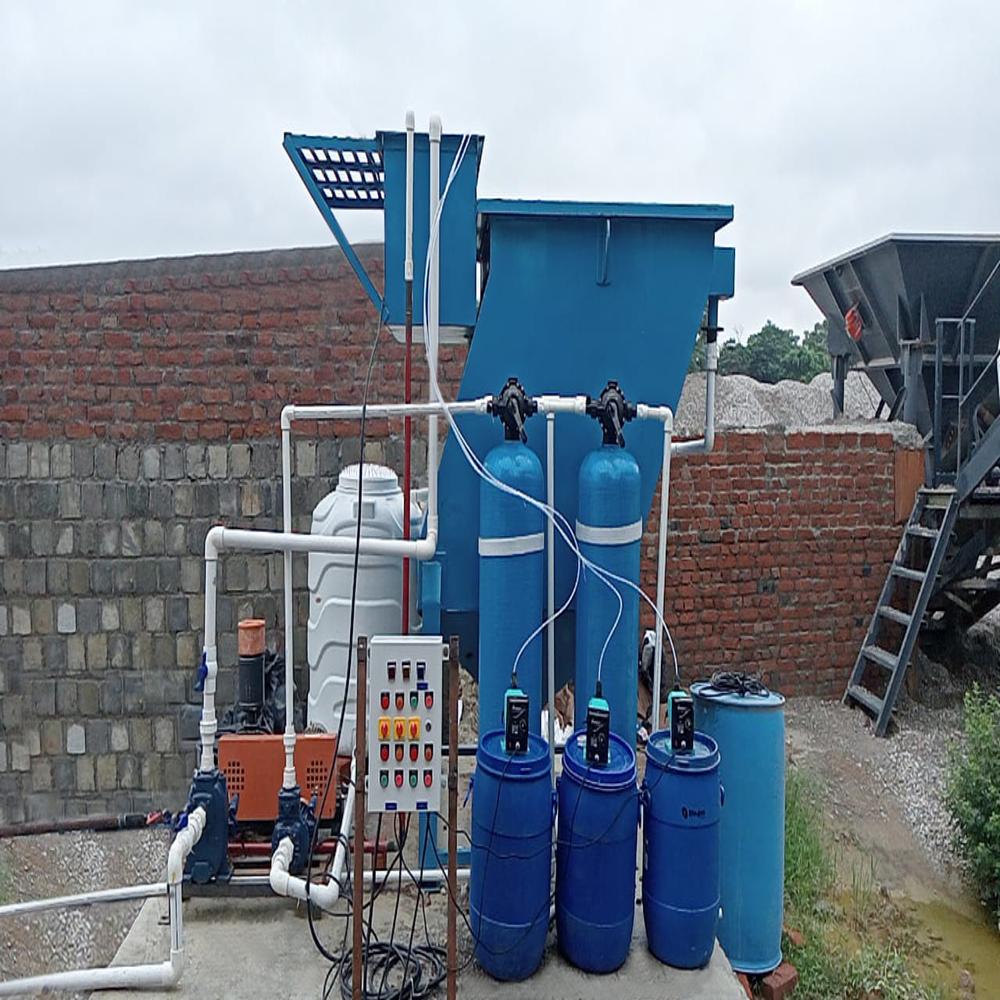
Effluent Treatment Plant for Paint Industry
Price 6200000.0 INR / Unit
Minimum Order Quantity : 1 Kilograms
Material : MS Sheet (Tata,JSW..)
Color : Blue
Power : as per requirement Watt (w)
Warranty : 1 year as per manufacturer
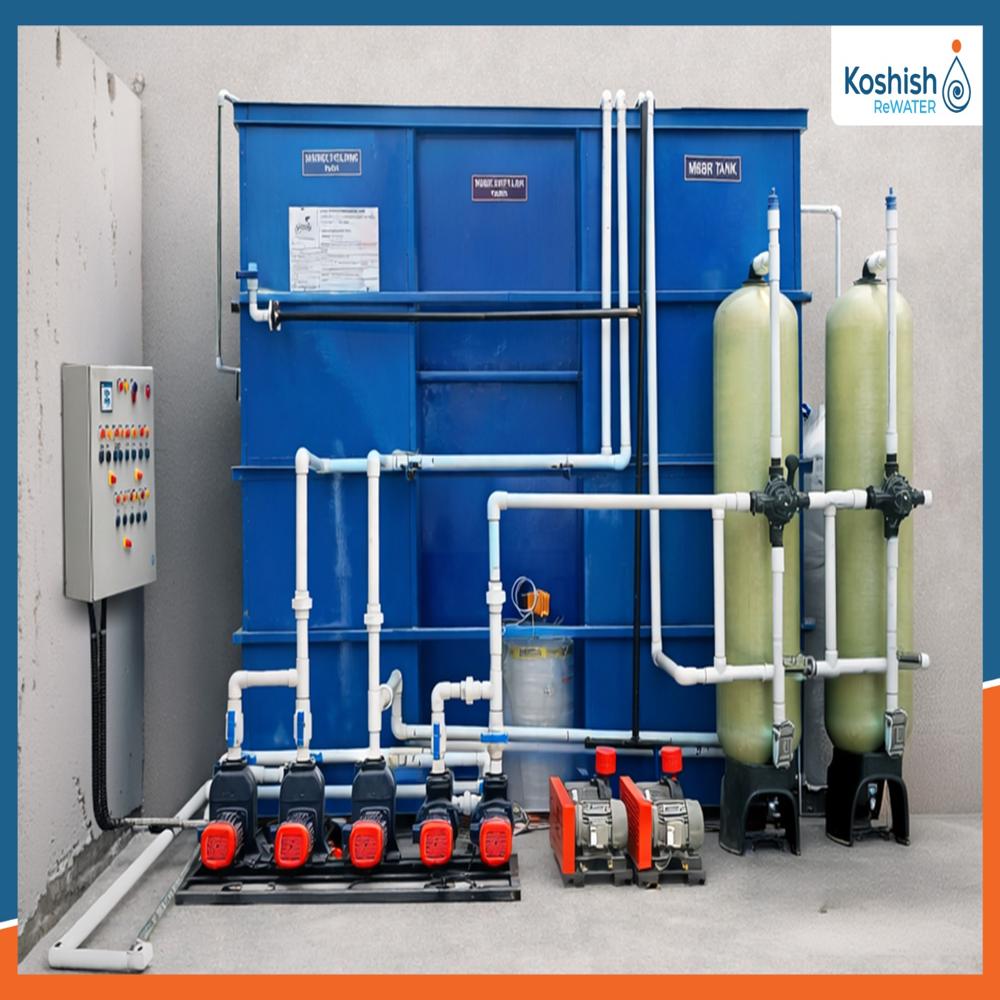
Effluent Treatment Plant for Paint Industry
Price 6200000.0 INR / Kilograms
Minimum Order Quantity : 1 Kilograms
Material : MS Sheet (Tata,JSW..)
Color : Blue
Power : as per requirement Watt (w)
Warranty : 1 year as per manufacturer
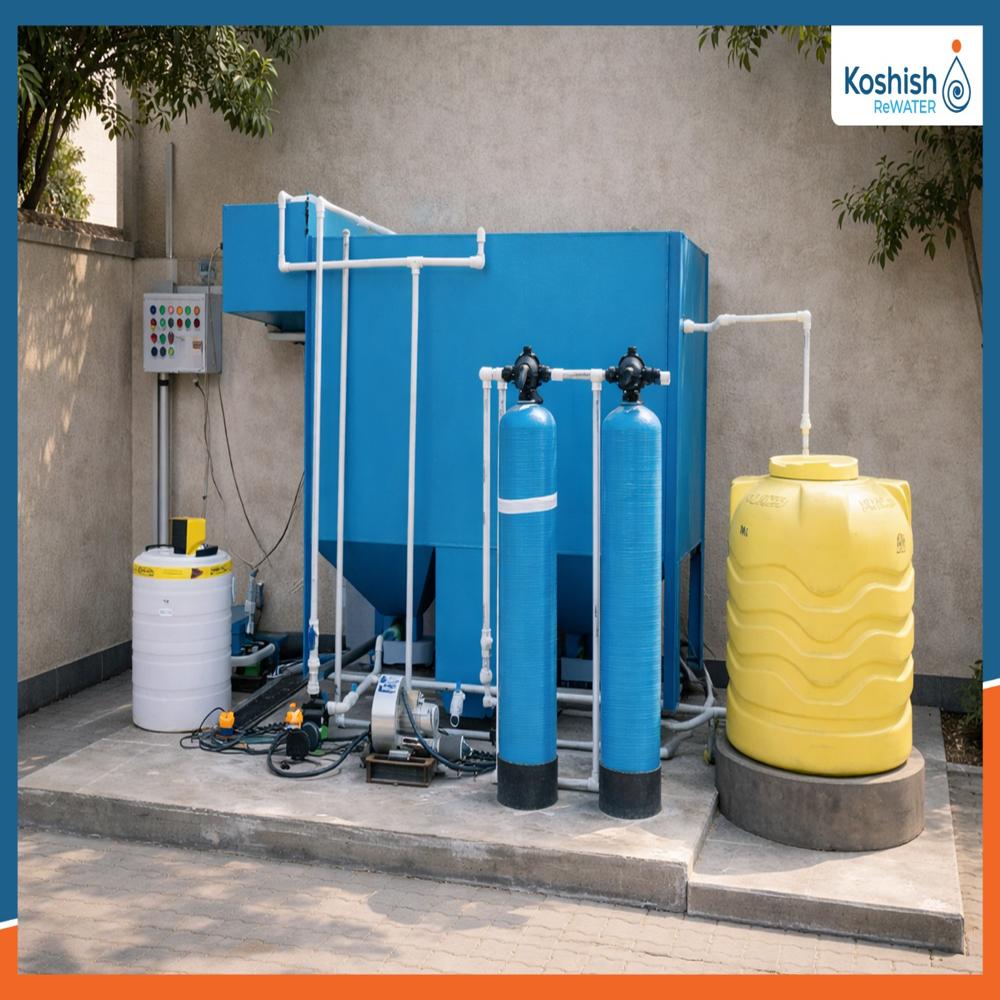
Effluent Treatment Plant for Cement Industry
Price 6200000.0 INR / Piece
Minimum Order Quantity : 1 Kilograms
Material : MS Sheet (Tata,JSW..)
Color : Blue
Power : as per requirement Watt (w)
Warranty : 1 year as per manufacturer
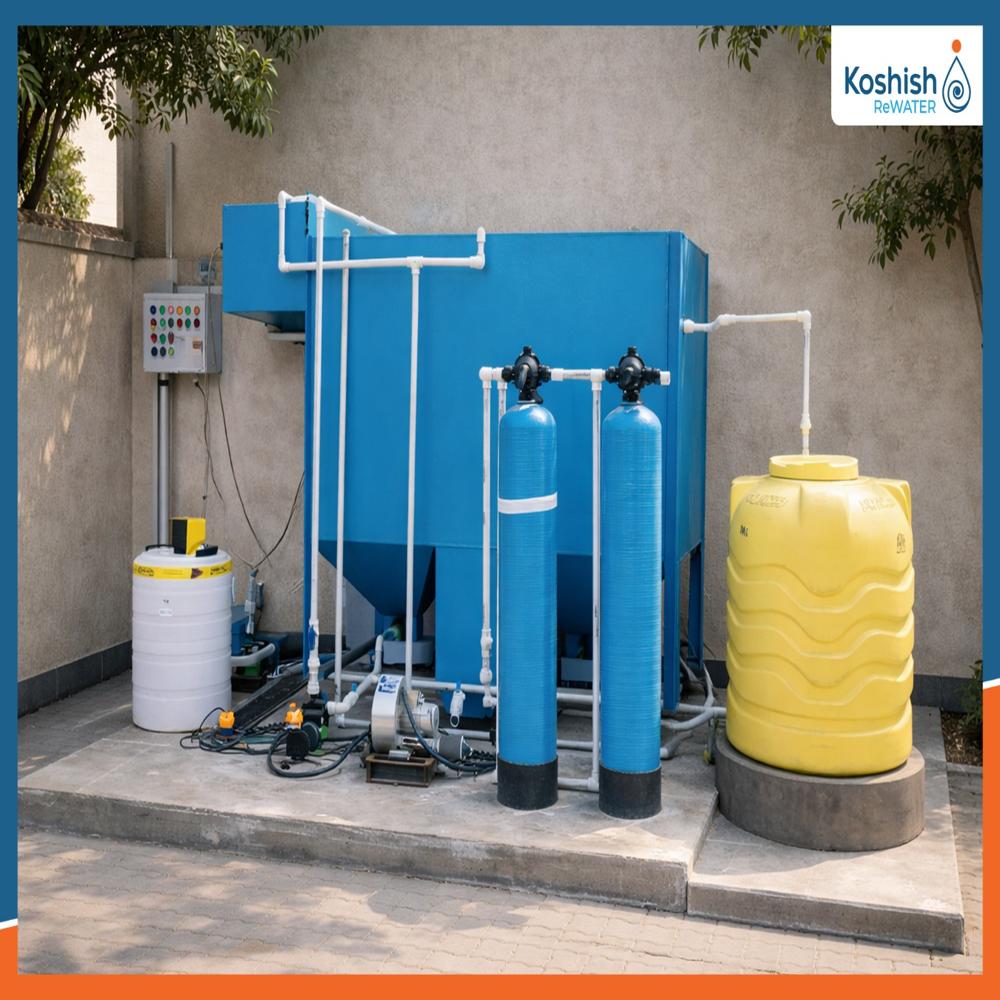
Effluent Treatment Plant for Slaughterhouse
Price 25500000.0 INR / Piece
Minimum Order Quantity : 1 Kilograms
Material : MS Sheet (Tata,JSW..)
Color : Blue
Power : as per requirement Watt (w)
Warranty : 1 year as per manufacturer

KOSHISH SUSTAINABLE SOLUTIONS PRIVATE LIMITED
GST : 09AAGCK0540C1ZZ
GST : 09AAGCK0540C1ZZ
6th Floor, Plot No 15, Tradex Tower, Sector 125, Noida, G B Nagar,Noida - 201301, Uttar Pradesh, India
Phone :08045816744

 Send Inquiry
 Send Inquiry
 Send SMS
 Call Me Free
KOSHISH MARKETING SOLUTIONS PRIVATE LIMITED
All Rights Reserved.(Terms of Use)
Developed and Managed by Infocom Network Private Limited.
Developed and Managed by Infocom Network Private Limited.

